


Smash Car: Robot Racing
4.283.00 Reviews
App Specs
- Version
- 1.5.0
- Updated On
- License
- Free
- Downloads
- 10,000,000+
- Developer
- FireKula
- Categories
- Racing
- Platform
- Android
Screenshots
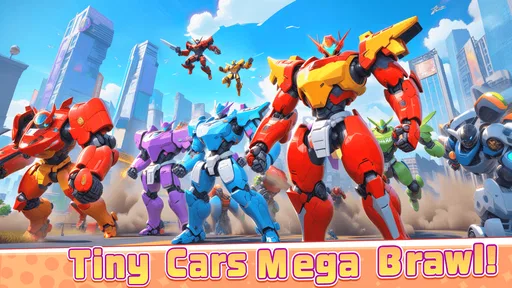
 Analysis by AppCompare
I approached Smash Car: Robot Racing expecting a quick racing game with a robot gimmick, but the form-switching idea gives it a more tactical feel than a straight sprint. I like that the central appeal is easy to understand: drive hard, choose when to transform, and use the robot form to make an impact. That makes it a natural fit for short bursts of play, especially when I want something more active than a casual endless runner but less involved than a simulation racer.
Who will enjoy this kind of racing
This is best suited to players who enjoy arcade-style action and don’t mind a little spectacle mixed into their racing. If you like reacting to hazards and making quick choices rather than tuning every cornering line, the transformation hook gives you something to think about without demanding specialist racing knowledge. It can also work well as a pick-up-and-play game: a few races during a break are easier to fit into a day than a long career mode in a more involved racing title.
I would be more cautious if you mainly want realistic driving, detailed vehicle handling, or a calm race where contact is rare. The appeal here is the clash between speed and smashing, not careful motorsport technique. Players who prefer a pure time trial may also find the combat-minded element distracting. In that case, a conventional arcade racer or a driving simulator would be a better match than a game built around cars becoming robots.
How I’d approach a race
A useful habit is to treat transformation as a decision rather than something to trigger whenever it becomes available. Before a tricky stretch, I’d pay attention to what the track seems to be asking for: keep the car moving where speed matters, and save the robot form for moments when making contact or dealing with an obstacle is more valuable. The exact timing will take practice, but thinking ahead can make the feature feel purposeful instead of merely flashy.
I’d also focus on learning the rhythm of a course before worrying about winning every run. Notice where a turn or hazard arrives, then adjust your next attempt instead of repeating the same reaction automatically. That small change in approach is useful in any arcade racer, but it matters especially here because the game asks you to balance forward motion with the choice to transform. A quick mental note after each race—where I changed form too early, or where I waited too long—can be more useful than rushing straight into another match.
How it compares with other racing games
Many mobile racers put their emphasis on clean laps, vehicle collection, or managing upgrades over time. This game’s identity is more immediately physical: the car-to-robot switch gives the action a playful combat edge. That is a welcome alternative if ordinary racing starts to feel repetitive, although it is not automatically a replacement for a traditional racer. The two styles reward different moods. I’d choose this one for lively, reactive races and a more fantastical premise; I’d pick a standard racing game when I want precise handling or a familiar track-and-lap structure.
The multiplayer angle can add variety because another person’s decisions are harder to predict than a fixed obstacle. Still, anyone who prefers solo play should consider whether the single-player experience holds their interest before making the competitive side the main reason to install. For a casual player, the strongest reason to try it is the unusual transformation concept itself, not an assumption that every race will feel balanced or that online competition will always suit their schedule.
Worth Reading Before You Choose

EA SPORTS FC Mobile 26 Is a Bigger Football Game, but It Takes Time

Flipboard Shows What News Apps Must Do Beyond the Feed

Switching to Android Auto Means Rethinking Your Driving Routine

Google Calendar Makes a Crowded Week Easier to Manage

Ludo King Makes the Most of the Minutes Between Plans

Baby Panda World Brings Quick Play to Modern Phones, but Its Game Library Feels Busy
Current state and practical details
FireKula’s racing game is free to download, with in-app purchases priced from $0.99 to $89.99 per item. I’d treat spending as optional and decide what I actually want from the game before buying anything; a tempting upgrade can feel less valuable if I have not yet learned which parts of a race challenge me. The Everyone age rating makes it broadly accessible, though parents may still want to look at the purchase options with younger players and agree on clear spending limits.
The game launched on June 9, 2025, and its current version is 1.2.4. That gives existing players a clear point of reference, but a version number by itself doesn’t tell me which mechanics have changed or how a particular update affects balance. I would judge the present experience by how the controls, transformations, and races feel on my own device, rather than assuming that a newer version automatically means a major overhaul.
What the popularity can—and cannot—tell you
With a 4.5 average from around 12,000 ratings and over 10 million installs, it has attracted a substantial audience for a game built around this specific mix of racing and robot action. That can be reassuring if you want a game other people have discovered, but broad reach is not a guarantee that its style will suit you. A player who loves the core idea may find the races instantly appealing; someone who wants strict simulation may still prefer another option regardless of how many people have tried it.
The store also shows around 80 written reviews, a much smaller pool than the rating count. I would read individual opinions as personal snapshots rather than treating any single complaint or compliment as definitive. In particular, look for comments that match your priorities—control feel, race variety, or spending—because those are more useful than a general claim that the game is simply good or bad.
Questions worth settling before you commit
Is it suitable for a quick play session? The racing-and-transformation premise makes it an easy candidate to try in short windows, but I would still check whether you enjoy the pace after a few races rather than assuming every round will be equally engaging. Does the robot element matter? Yes: it is the part that separates this experience from an ordinary car racer, so players uninterested in switching forms are unlikely to get the full appeal.
Should you spend money to progress? I would start free and see whether the available play loop is satisfying before considering an optional purchase. Is it for younger players? Its Everyone rating is a helpful starting point, but the in-app purchase range makes a conversation about purchases sensible. And if you mainly want realistic driving, the honest answer is that another kind of racing game is likely to make you happier.
There are also practical trade-offs to keep in mind. When I have only a couple of minutes, I want controls and race goals that make sense quickly; if I need a longer stretch to settle into the action, I would save it for a time when I can give it proper attention. For online competition, I would choose a moment when I can focus rather than start a match while distracted. That is a small scheduling choice, but it can make a fast, reactive game feel more enjoyable instead of frustrating.
For players who like experimenting, I’d keep track of one change at a time. Try a different transformation moment on a familiar stretch, or pay attention to whether an upgrade solves a problem you actually noticed. Changing several habits or spending on several improvements at once makes it harder to tell what helped. This measured approach is especially useful in a game where racing and impact sit side by side: the goal is not simply to make everything stronger, but to find a rhythm that feels reliable for you.
Transforming Cars and Tracks
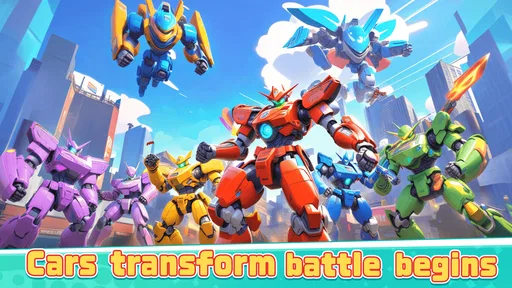
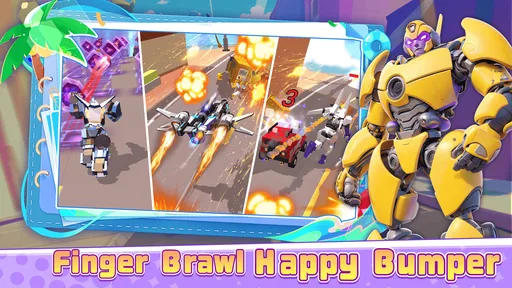
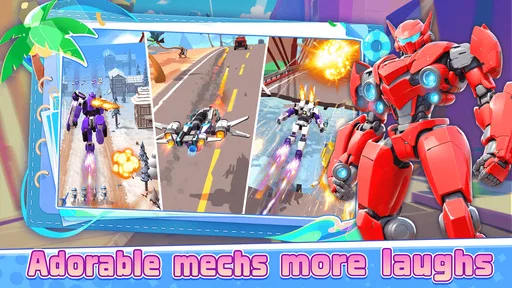
First things first, let's talk about what sets Smash Car: Robot Racing apart from your average racing game. The magic lies in its transforming cars. Yes, you read that right. These vehicles can switch from sleek racing machines to mighty robots, adding a whole new layer of strategy to the game. Picture this: you’re speeding down the track, and just as you hit a tight corner, you transform into a robot to smash through obstacles. It’s as cool as it sounds!
The tracks themselves are a visual treat. They’re designed to test not only your speed but also your ability to adapt. Expect to encounter sharp turns, sudden drops, and a variety of obstacles that require quick thinking and even quicker reflexes. The game’s graphics are vibrant and engaging, making each race feel like a cinematic experience.
Gameplay Mechanics
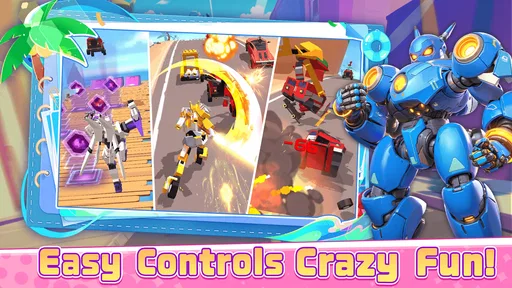
So, how does it actually feel to play? The controls are intuitive, and even if you’re not a seasoned gamer, you’ll get the hang of it in no time. The game does a great job of easing you into its mechanics, and before you know it, you’ll be pulling off stunts and transformations like a pro.
The transformation ability isn’t just a gimmick; it’s crucial to your success. You’ll need to know when to switch forms to maintain your speed and avoid taking damage. This adds a strategic element that keeps you on your toes. Plus, there’s a satisfying sense of power that comes with smashing through obstacles in robot form.
Multiplayer Madness
If you’re the competitive type, the multiplayer feature is where you’ll want to spend most of your time. Racing against other players from around the world adds an exciting layer of unpredictability. You never quite know when another player will transform and attempt to knock you off course, keeping the races dynamic and thrilling.
The matchmaking system is pretty solid, ensuring you’re pitted against players of similar skill levels. This makes each race challenging but fair, and there’s nothing quite like the satisfaction of outmaneuvering your opponents in a tightly contested race.
Customization and Upgrades
Another aspect that keeps you coming back is the ability to customize your vehicles. As you progress, you earn in-game currency that you can use to upgrade your cars and robots. This isn’t just about aesthetics; these upgrades can significantly impact your performance on the track. Want a faster car? You got it. Need stronger armor for your robot form? No problem. The customization options are extensive, allowing you to tailor your vehicle to perfectly suit your playstyle.
That progression is most satisfying when I treat upgrades as a response to a specific weakness, rather than assuming the biggest improvement is always the right one. If a race is going poorly because I lose speed, I would prioritize the part of my setup that supports driving performance; if collisions are the recurring problem, I would pay attention to robot strength. This keeps progression connected to the way I actually play instead of turning it into a shopping list. It also gives a reason to revisit earlier tracks and see whether a change in approach—not just a stronger vehicle—makes the difference.
There is a trade-off, though: upgrades can make a game feel more rewarding, but they can also shift attention away from learning the course. I would avoid spending in response to one frustrating loss. First try a different transformation timing or a more deliberate line through the next hazard. If that solves the problem, the lesson is more valuable than an upgrade; if the same weakness keeps appearing, then improving the relevant vehicle may be a sensible next step.
What to watch as you keep playing
For returning players, the most meaningful signs of change are not version numbers alone but whether a new build alters the feel of driving, the usefulness of robot form, or the fairness of head-to-head races. Version 1.2.4 is the current release, while the game’s launch date gives newer players a sense of how recently it entered the market. I would welcome future refinements that make course hazards easier to read and keep transformations responsive, because those details directly affect whether a close race feels earned.
Those are expectations, not claims about changes already made. The confirmed release and version details establish the game’s current reference point; they do not, on their own, show a particular feature history. If you already play, compare how the controls and upgrade choices feel after installing the current build, and make sure your own device is running Android 7.0 or later before downloading. New players can use a first session to decide whether the basic loop works for them before investing time or money.
All in all, Smash Car: Robot Racing is a must-try for anyone looking for a fresh take on the racing genre. Its mix of high-speed racing and strategic transformations makes for an exhilarating experience. Whether you’re playing solo or competing against others, there’s plenty to enjoy and explore.
The game is available for both Android and iOS, and I highly recommend giving it a go. Just be prepared to get hooked; this is one game that’s hard to put down once you start. So, buckle up, transform, and let the races begin!
Pros
- Engaging graphics and smooth animations.
- Wide variety of cars and robots to choose.
- Intuitive controls enhance gameplay experience.
- Frequent updates add new features.
- Fun multiplayer mode for competitive play.
Cons
- In-app purchases can be pricey.
- Occasional lag in multiplayer mode.
- Ads can interrupt gameplay.
- Limited offline features available.
- High battery consumption during play.
FAQs for Smash Car: Robot Racing
What is the main objective of Smash Car: Robot Racing?
The main objective of Smash Car: Robot Racing is to provide an exhilarating racing experience where players control robot cars and compete in high-speed races. Players can customize their vehicles, upgrade parts, and battle against AI or other players to become the ultimate champion. The game combines elements of racing and combat for an intense gameplay experience.
What are the customization options available in Smash Car: Robot Racing?
Smash Car: Robot Racing offers a wide range of customization options, allowing players to modify their cars' appearance and performance. Players can choose from various body kits, paint colors, and decals to personalize their vehicles. Additionally, they can upgrade engines, tires, and weapons to enhance speed and combat capabilities, providing a unique edge in races.
Is Smash Car: Robot Racing available offline?
Smash Car: Robot Racing can be played in both online and offline modes. While online mode allows players to compete against others worldwide, the offline mode provides solo gameplay against AI opponents. This flexibility ensures that players can enjoy the game regardless of their internet connectivity, making it accessible in various environments.
Does Smash Car: Robot Racing have in-app purchases?
Yes, Smash Car: Robot Racing includes in-app purchases. Players can buy in-game currency to unlock special items, upgrades, and exclusive cars. While the game is free to download and play, these optional purchases can enhance the gaming experience by allowing faster progression and access to premium content. However, all items can be earned through regular gameplay.
Are there any age restrictions for playing Smash Car: Robot Racing?
Smash Car: Robot Racing is rated for players aged 10 and above due to mild violence and fantasy combat elements. Parents should consider these factors when allowing younger children to play. The game promotes strategic thinking and quick reflexes, making it suitable for older children and adults who enjoy racing and action-packed gameplay.


